Sustainable moving methods: reducing waste during removals
Moving house or relocating a business can create a surprising amount of waste. Boxes get overused once, bubble wrap piles up, furniture is left behind, and perfectly usable items are sent to landfill simply because the clock is ticking. Sustainable moving methods: reducing waste during removals are about slowing that cycle down without making the move harder than it needs to be. Done well, they can save money, cut clutter, and make the whole process feel calmer. Truth be told, a greener move is often the more organised move.
If you are planning a home move, an office relocation, or even a smaller load using a man and van service, there are practical ways to reduce packaging waste, reuse materials, and avoid unnecessary trips. This guide walks through the why, the how, and the common traps, with the kind of detail that helps when you are standing in a room full of half-packed stuff at 8:30 on a wet Tuesday morning.
Expert summary: The most sustainable move is usually not the one with the fanciest materials. It is the one that uses fewer resources, keeps reusable items in circulation, and plans each stage so nothing is packed, moved, or thrown away twice.
Table of Contents
- Why sustainable moving methods matter
- How reducing waste during removals works
- Key benefits and practical advantages
- Who this is for and when it makes sense
- Step-by-step guidance
- Expert tips for better results
- Common mistakes to avoid
- Tools, resources and recommendations
- Law, compliance, standards and best practice
- Options, methods and comparison table
- Case study or real-world example
- Practical checklist
- Conclusion
- Frequently asked questions
Why sustainable moving methods matter
Waste during removals is usually not created by one dramatic mistake. It builds up from dozens of small choices: too many boxes, mixed packing materials, duplicated purchases, items discarded too early, and disposal made in a rush. The result is familiar. A skip that fills faster than expected. A van with half-empty spaces because items were packed badly. A kitchen drawer full of cable ties, tape, and crumpled paper that will never be used again. It adds up.
Sustainable moving methods matter because removals are already resource-heavy. There is transport fuel to think about, packaging to source, and time pressure that can lead to shortcuts. Reducing waste during removals is not just about recycling more. It is about using less in the first place, then reusing what you can, and only disposing of what truly has no further life left.
For households, this can mean less clutter moving into the new place. For businesses, it often means fewer broken chairs, less paper waste, and a tidier handover. If you are coordinating a larger project, especially an office or commercial relocation, it can be worth looking at service options such as commercial moves or office relocation services where planning and sequencing can make a real difference to waste levels.
There is also a simple human reason. Most people do not want to pay to move things they should have sorted out weeks earlier. Fair enough, really.
How sustainable moving methods work
At its core, a low-waste move follows one basic idea: decide what stays, what goes, and what can be reused before the packing starts. That sounds obvious. In practice, many people skip straight to buying packing materials and filling boxes, which is exactly how waste grows.
A more sustainable approach usually works in four connected stages:
- Declutter early. Sort items room by room so you are not packing unnecessary belongings.
- Reuse existing materials. Use sturdy boxes, blankets, suitcases, crates, and fabric where possible.
- Pack efficiently. Avoid oversized containers, double wrapping, or mixing items in ways that lead to damage.
- Divert surplus responsibly. Rehome, donate, sell, repair, or recycle items that should not come to the new property.
This process works for a small flat move just as well as for a multi-floor office shift. The scale changes, but the logic does not. If you are using home moves support, the same waste-reduction principles apply. If furniture is the main issue, services like furniture pick up can help remove bulky items that would otherwise become disposal problems at the last minute.
The important thing is sequencing. Once boxes are sealed, the decision is basically over. That is why sustainable moving is less about the move day itself and more about the weeks before it.
Key benefits and practical advantages
People often approach greener moving as a moral decision, but the practical benefits are just as strong. In many cases they are stronger. Less waste usually means fewer purchases, less lifting, less confusion, and a smoother unpacking experience. Not glamorous, but extremely useful.
- Lower packing costs: Reusing boxes, baskets, and protective materials cuts down on one-off purchases.
- Less disposal stress: You spend less time trying to work out what to do with broken, mixed, or oversized waste.
- Faster unpacking: Fewer unnecessary items means less sorting at the other end.
- Reduced breakage: Efficient packing often protects belongings better than stuffing everything into random boxes.
- Better space planning: If you know what is actually coming with you, the new property is easier to arrange.
- Cleaner business handovers: For offices, fewer abandoned items can help avoid disputes and last-minute clearance costs.
There is a quieter benefit too: peace of mind. A lot of moving stress comes from feeling surrounded by mess. When the waste is under control, the whole thing feels more manageable. You can see progress. That matters more than people admit.
For some moves, sustainability can even improve logistics. A smaller volume of belongings may mean you need less vehicle space or a simpler moving plan. In that case, options such as man with van or removal truck hire may be more appropriate than overcommitting to a larger setup. The greener choice is often the better-sized choice.
Who this is for and when it makes sense
Honestly, this approach suits almost anyone moving. But it is especially useful if you are dealing with one of the following situations:
- a home move with lots of duplicate household items
- an office move where desks, chairs, and file storage need sorting
- a last-minute relocation where packing time is limited
- a decluttering project before sale or tenancy handover
- a move involving bulky furniture or mixed-condition belongings
- a business trying to reduce waste in everyday operations as well as relocation
Families often benefit because children's items, seasonal gear, and older furniture can add up quickly. Landlords and tenants often need a cleaner, lighter handover. Businesses, especially those planning a commercial move, may also need to manage archive paper, packaging, IT equipment, and furniture in a way that avoids unnecessary waste and messy disposal jobs.
If you are someone who tends to keep "just in case" items, this method is probably for you too. No judgement. We all have that drawer.
Sustainable moving also makes sense when you are paying attention to budgets. Less waste usually means fewer replacement materials and fewer rubbish runs. If you need to compare service levels or understand what may be included in a removal plan, browsing pricing and quotes can help you think through the practical side without jumping into the first option you see.
Step-by-step guidance
If you want to reduce waste during removals without making life complicated, keep the process structured. A clear sequence helps, and it stops the "we'll deal with it later" habit that creates most of the mess.
1. Start with a sorting pass
Go room by room and sort items into four groups: keep, donate, sell, recycle, or dispose. Keep the categories simple. If you make the sorting too clever, it becomes a reason not to start. Start with obvious decisions first: broken items, duplicates, old cables, unused kitchenware, outgrown clothes, and furniture you no longer want.
2. Measure what needs special handling
Large furniture, mirrors, and awkward appliances should be identified early. If a sofa is unlikely to fit through a stairwell, do not leave that discovery until moving day. This is where a little planning saves a lot of waste. It may be better to reuse the item elsewhere, arrange a pickup, or separate it from the main load.
3. Gather reusable packing materials
Before buying anything, look at what you already have: suitcases, laundry baskets, storage bins, duvets, towels, and reusable crates. Old newspapers can be messy, but they can still be useful for some non-delicate items. If you need specialist packing support, a service like packing and unpacking services can be a sensible way to reduce damage and avoid overbuying materials you will never touch again.
4. Pack by weight and fragility
Put heavy items in small boxes and lighter items in larger ones. It sounds almost too basic, yet it is one of the easiest ways to reduce breakage and waste. Overpacked boxes split. Underpacked boxes collapse. Either way, more materials get used than necessary.
5. Label clearly and reuse labels where possible
Good labels stop double handling. When boxes are clearly marked, they are less likely to be opened, repacked, or thrown into the wrong room. If you are the sort of person who likes tidy systems, this bit is oddly satisfying.
6. Separate items for reuse, donation, and recycling
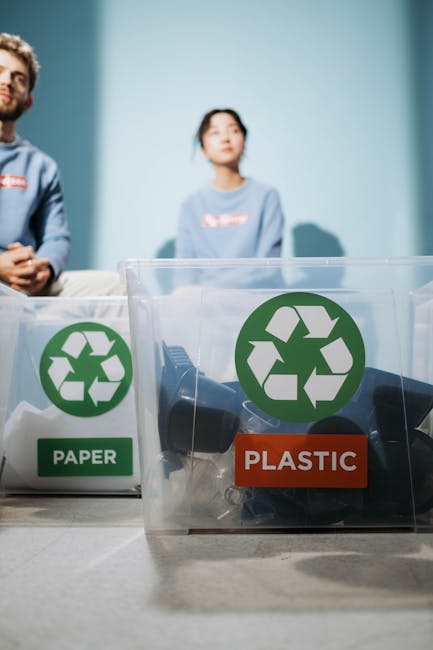
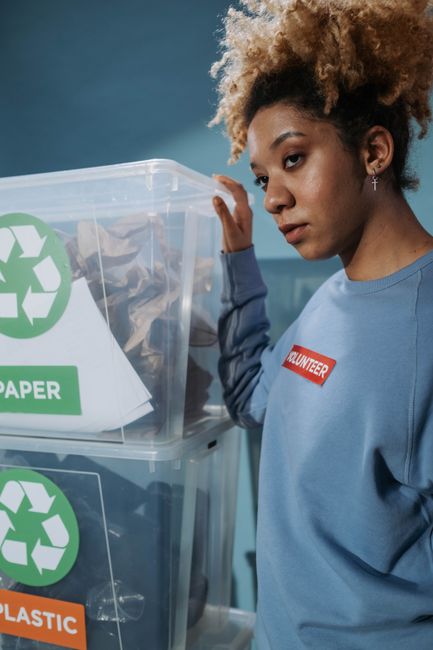
Set aside boxes or bags for each stream. Keep the donation pile dry and clean. Put recyclable items together only if they are actually accepted by your local service. This avoids the classic mistake of "recycling" a mixed pile that later needs sorting again.
7. Choose the right move size
Do not book more vehicle space than you need. The right-sized vehicle can reduce repeat journeys and wasted fuel. For smaller or more flexible loads, a man and van arrangement may suit better. For larger household moves, moving truck solutions can be more efficient when planned well.
8. Deal with leftovers immediately after the move
Once you have arrived, do not let leftover packaging sit in hallways for a week. Flatten boxes, keep reusable wrap aside, and sort waste promptly. The second half of a sustainable move is what happens after the van leaves. That part gets forgotten, surprisingly often.
Expert tips for better results
A few small choices can make a surprisingly large difference. These are the habits that experienced removals teams often lean on, even if they do not talk about them in fancy language.
- Use what you already own first. Suitcases and laundry baskets are brilliant for books, shoes, and linens.
- Keep one "last week" box in each room. It catches small leftovers and avoids opening twenty half-packed boxes.
- Protect furniture with blankets instead of film where suitable. It can reduce disposable wrapping, though you should still secure items safely.
- Group donations by destination. When donation items are all in one place, they are much more likely to be dealt with instead of abandoned.
- Limit mixed-material wrapping. If something is wrapped in tape, plastic, and paper all together, it is harder to reuse or recycle later.
- Use a "no buy unless needed" rule. It keeps impulse purchases down. The moving aisle in the shop can be oddly persuasive, can't it?
- Ask about route efficiency. One well-planned trip is better than two rushed ones.
If you are relocating an office, consider the chain of responsibility as well as the packing itself. Someone needs to decide what happens to surplus chairs, archive boxes, printers, and desks before removal day. That is one area where office relocation services can be particularly helpful, because the waste question is often bigger than the transport question.
And one more thing: do not assume every old item is rubbish. A scratched table might still serve in a garage, a back office, or a temporary setup. Reuse first if the item is safe and sensible to keep in circulation.
Common mistakes to avoid
Most waste-heavy moves are not caused by bad intentions. They are caused by rushed decisions. Here are the biggest slip-ups.
Buying packing materials too early and in bulk
This usually leads to leftovers. People often overestimate the number of boxes they need and then end up storing a mountain of cardboard after the move.
Throwing out usable items out of convenience
It is easy to say, "just take it to the tip," especially when the deadline is looming. But if an item can be donated, repurposed, or collected, that is usually the better route.
Packing before decluttering
This is the classic mistake. You end up moving things you never wanted, which is the opposite of efficient.
Mixing waste streams
If paper, plastic film, broken parts, and general rubbish are all dumped together, sorting later becomes a chore. And sometimes it makes recycling impossible.
Ignoring furniture disposal until the final day
Bulky items need time. If you wait until the eve of the move, you may have no practical option except disposal. That's when waste spikes.
Using oversized vehicles or too many trips
Both waste fuel and usually waste money. Better planning gives you a cleaner, leaner move.
There is also a softer mistake: trying to make the process perfect. It does not need to be. Sustainable moving is about better choices, not flawless ones.
Tools, resources and recommendations
You do not need fancy equipment to move sustainably, but a few practical tools help a lot.
- Strong reusable boxes or crates: better than single-use flimsy boxes if you can source them
- Marker pens and labels: for fast room-by-room sorting
- Fabric wraps, blankets, and towels: great for padding without buying extra plastic wrap
- Storage bins and suitcases: useful for books, toys, and soft goods
- Folding trolleys or dollies: reduce damage and make heavy lifting safer
- Donation bags or labelled collection boxes: keep rehoming items separate from waste
- A simple inventory list: helps you decide what deserves the effort of moving
In practical terms, the best recommendation is to pair good organisation with the right service level. Smaller moves may work well with man with van support, while bigger clear-outs or heavier household loads may justify a more robust option. If you need something specifically sized for the job, removal truck hire can help avoid under- or over-estimating what is required.
If you want to understand the company's wider approach to greener operations, the recycling and sustainability page is a sensible place to start. It gives context for how responsible disposal and waste reduction fit into the broader service picture.
Law, compliance, standards and best practice
When removals involve waste, especially mixed household or commercial waste, it is wise to follow normal UK expectations around responsible disposal. That means using reputable waste carriers where needed, separating recyclable items where possible, and not leaving disposal decisions to chance. If you are managing a business move, there may also be internal policies on document handling, data security, and equipment disposal that matter just as much as the transport plan.
For homes, the key best practice is simple: do not put everything into one pile and hope for the best. Check what local services accept, keep electrical items separate when appropriate, and treat anything with personal data carefully before disposal. Old hard drives, paperwork, and labels on archive boxes are small things, but they can become serious headaches if ignored. Not glamorous. Still important.
For businesses, there is an added duty of care around records, equipment, and general clear-out planning. If you are unsure how much support you need, it may help to speak early with a provider through the about us and contact us pages, or review operational details in the health and safety policy and insurance and safety information. That kind of background reading is not exciting, but it can save awkward surprises.
Payment and booking matters also deserve a quick look, especially if your move is time-sensitive or involves multiple services. Checking payment and security details and terms and conditions early is just sensible. It helps keep the whole process tidy, and tidy is good.
Options, methods and comparison table
There is no single "best" green moving method. The right choice depends on the volume of belongings, your timeline, and how much sorting you want to do yourself. Here is a practical comparison.
| Method | Best for | Waste impact | Notes |
|---|---|---|---|
| Self-packed move with reused materials | Small to medium household moves | Low | Good if you have time to sort and collect reusable boxes. |
| Man and van | Flexible, modest loads | Low to moderate | Efficient when items are already decluttered and ready to go. |
| Full removal service | Larger homes or complex moves | Moderate | Can still be sustainable if planning and packing are handled well. |
| Office relocation support | Commercial and workplace moves | Low to moderate | Best when disposal, reuse, and equipment handling are coordinated early. |
| Furniture pickup or clearance | Bulky items that should be rehomed or removed separately | Low | Useful for reducing last-minute landfill trips. |
As a rule, the more preparation you do before move day, the lower the waste. The method matters, of course, but the planning matters more.
Case study or real-world example
Picture a typical two-bedroom flat move in London. The occupant has spent years collecting spare kitchenware, duplicate bedding, and a chair that was "only going to be temporary" about four years ago. On moving weekend, the first instinct is to buy lots of new packing materials and box everything as it stands.
Instead, the move is handled in a more sustainable way. First, the flat is sorted into keep, donate, recycle, and dispose. The old chair is separated because it is still usable, though not worth taking to the new property. A few boxes are borrowed from neighbours, and storage bins already in the flat are used for heavier items. Towels and bedding protect the fragile pieces. A small set of donation bags is kept by the door so that usable items do not get mixed back into the "maybe" pile.
By moving day, the load is smaller, the van is better used, and unpacking is faster because fewer unnecessary items come along. Nothing magical happened. No clever trick. Just better choices made earlier. That is usually how it goes.
The same logic applies to office moves, only with more paperwork and more chairs. For example, a business may decide that some desks need refurbishing, some monitors should be reallocated, and only a small portion of items should be disposed of. If handled well, the waste stream becomes much more manageable and the move feels less chaotic for everyone involved.
Practical checklist
Use this as a quick moving-day-and-before checklist. It is simple on purpose.
- Sort every room into keep, donate, recycle, and dispose
- Identify bulky items early
- Reuse boxes, bags, bins, and blankets where possible
- Buy packing materials only after checking what you already have
- Label boxes clearly by room and fragility
- Keep donations separate from rubbish
- Flatten cardboard after unpacking
- Set aside reusable wrapping for the next move or storage use
- Check the vehicle size matches the actual load
- Remove unwanted items before they get packed by mistake
- Deal with leftover waste within 24 to 48 hours if you can
- Review disposal arrangements for anything sensitive or bulky
If you tick those off, you are already ahead of most moves. Not a bad place to be.
Get a free quote today and see how much you can save.
Conclusion
Sustainable moving methods are not about perfection or performative eco-choices. They are about reducing waste in sensible, repeatable ways that make the move easier as well as greener. When you declutter early, reuse what you can, pack thoughtfully, and plan disposal properly, you lower the volume of waste and the amount of stress at the same time.
That is the real win. Fewer forgotten items. Fewer random bags by the front door. Fewer trips to sort things out later. Just a cleaner move, in every sense of the word. And, to be fair, that is what most of us want when the boxes start stacking up.
If you are preparing a move now, the best next step is to decide what truly needs to travel with you and what does not. Once that decision is made, everything else gets easier. Little by little, the room empties, the plan comes together, and the move begins to feel manageable again.
Frequently Asked Questions
What are sustainable moving methods in simple terms?
They are practical ways of moving that reduce waste, reuse materials, and cut down on unnecessary disposal. That can mean decluttering before packing, using reusable boxes, and donating items instead of throwing them away.
How do I reduce waste during removals without spending more money?
Start by using what you already have: suitcases, bins, blankets, and sturdy bags. Then sort out items you no longer need before buying any new packing supplies. In many moves, the biggest savings come from not moving useless stuff at all.
Is it better to donate items or recycle them during a move?
If an item is still usable, donation or rehoming is usually the better choice. Recycling is useful when items are damaged or no longer functional, but keeping usable goods in circulation normally creates less waste overall.
Can a removal company help with greener moving?
Yes, especially if the move is planned properly. A good removals team can help match vehicle size to the load, handle bulky items safely, and support efficient packing. For bigger jobs, house removalists or commercial relocation services can be a practical fit.
What should I do with old furniture I do not want to take?
Check whether it can be reused, donated, or collected separately before disposal. For larger items, a furniture pick up service may be useful if you want to keep the main move cleaner and more efficient.
How far in advance should I start sorting for a sustainable move?
Ideally, a few weeks before move day. The earlier you start, the more likely you are to make calm decisions about what to keep, donate, or dispose of. Leaving it until the final 24 hours tends to create waste and stress.
What is the most common waste mistake people make when moving?
Packing before decluttering. It sounds harmless, but it means you spend time and materials moving things you may not want at the new property. That is usually the biggest avoidable source of waste.
Can sustainable moving methods work for offices as well as homes?
Absolutely. In fact, offices often have even more to gain because furniture, archives, stationery, and equipment can all be reviewed before relocation. A well-planned commercial move can reduce waste and make the handover much smoother.
Do I need special packing materials to move sustainably?
Not necessarily. Reusable boxes, blankets, towels, and storage containers are often enough. Special materials can help for fragile items, but the sustainable approach is usually to reuse before buying anything new.
How can I keep recyclable materials separate during a move?
Use clearly labelled bags or boxes for cardboard, paper, soft plastics, and mixed waste where appropriate. Keep them apart from donation items and general rubbish. Once things get mixed, recycling becomes much harder.
What if I have very little time before moving day?
Focus on the biggest wins first: obvious waste, duplicate items, and bulky belongings you no longer need. Even a short sorting session can reduce the load. If time is tight, a service such as man and van can sometimes suit a leaner, better-organised move.
Are there any compliance issues I should think about?
Yes, especially if you are disposing of business materials, electronics, or anything with personal data. Follow normal UK best practice for responsible disposal, keep sensitive items separate, and review service terms before booking. For operational detail, pages like insurance and safety and payment and security can help you understand the wider process.
What is the easiest sustainable move I can make?
The easiest win is to move less. Sort early, reuse what you can, and keep donations separate from waste. That one habit alone can make the whole move simpler, greener, and much less chaotic.