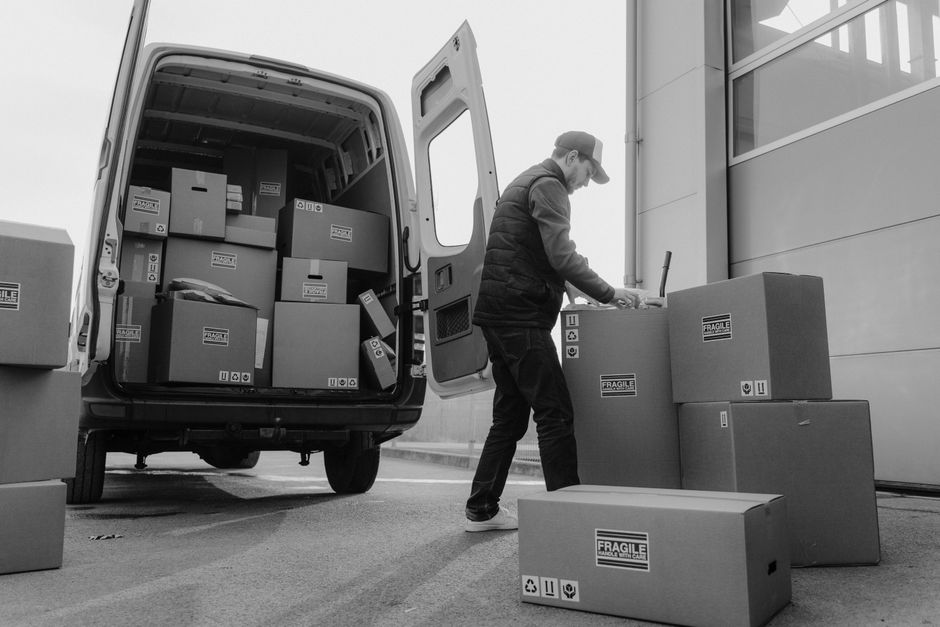
Modular van loading: how pros maximise every inch
If you have ever stood beside a half-packed van wondering how on earth the last sofa leg, box of books, and awkward lamp are all meant to fit, you already understand the problem. Modular van loading is the method pros use to make every inch count without turning the vehicle into a stressful, unstable puzzle. Done well, it saves time, reduces damage, and keeps the move calm rather than chaotic. And to be fair, that calm is worth a lot when you are trying to get everything shifted before the rain starts.
This guide breaks down how modular loading works, why it matters, and the practical decisions that separate a tidy load from a wasted one. You will see the planning process, the common mistakes, and the kind of small details that experienced removals teams notice straight away. If you are comparing move options, it also helps to understand where services like man and van support, a moving truck, or removal truck hire fit into the picture.
Table of Contents
- Why modular van loading matters
- How modular van loading works
- Key benefits and practical advantages
- Who this is for and when it makes sense
- Step-by-step guidance
- Expert tips for better results
- Common mistakes to avoid
- Tools, resources and recommendations
- Law, compliance, standards and best practice
- Options, methods and comparison table
- Case study or real-world example
- Practical checklist
- Conclusion
- Frequently asked questions
Why modular van loading matters
At its simplest, modular loading means treating the van like a set of usable blocks rather than one big empty box. Each item, bundle, and gap is considered as part of the load plan. That sounds obvious, but in practice many moves still happen in a loose, last-minute way: big pieces go in first, then smaller ones are squeezed around them, and before long the van has wasted vertical space, empty corners, and a load that shifts on the road.
Pros care about this because space in a van is not just space. It is time, safety, fuel efficiency, and customer peace of mind. If you can fit the move in one well-planned trip instead of two imperfect ones, you save a fair bit of effort. If you load by module, you also reduce the chances of crushing, snagging, or toppling during braking. That matters whether you are moving a family home or handling a tighter commercial job through commercial moves.
There is another angle too: modular thinking makes awkward properties easier to manage. Narrow hallways, lift restrictions, terraced houses, office stairwells, cramped kerbside parking areas - all of that is common in UK moves. In those situations, a disciplined loading system often makes the difference between a smooth day and a day that drags on until everyone is tired and slightly irritable. You know the sort.
Expert summary: modular van loading is not about cramming. It is about using shape, sequence, restraint, and stability so the load behaves like one secure structure rather than a pile of hopeful objects.
How modular van loading works
Think of the van as having zones. Pros usually divide it into floor space, wheel-arch zones, mid-level support space, and upper stack space. Then they group items by size, fragility, and destination room. Boxes, soft furnishings, furniture frames, and tools each get a place in the plan. It is a bit like packing a very awkward suitcase, except the suitcase can weigh a tonne and a half.
The idea is to build a load from the inside out. Heavy and stable items usually go low and near the bulkhead or front wall, where they are less likely to move. Softer or more compressible items fill the edges and voids. Flat-packed furniture, mats, headboards, or dismantled table legs act like bridging pieces. Rigid items create structure; soft items fill gaps. If you can picture layers in a tray bake rather than random objects in a shed, you are close.
Professional loaders also think in modules by room or function. For example:
- Kitchen module: smaller cartons, wrapped appliances, and awkward breakables grouped together for easy access.
- Bedroom module: mattress, bed frame parts, wardrobes, and soft bags kept together.
- Office module: IT equipment, files, chairs, and desk components separated so set-up is quicker at the other end.
This kind of grouping saves real time on delivery because the unload is nearly as important as the load. If you are moving a workplace, for example, the ordering of office items can matter just as much as the physical fit. In those cases, services such as office relocation services and packing and unpacking services often make modular loading far easier to execute properly.
Key benefits and practical advantages
Modular loading is popular because it solves several problems at once. The obvious one is space. But the less obvious benefits are often the real reason professionals rely on it.
- Better use of van volume: you fit more into the usable shape of the vehicle, not just the visible floor area.
- Reduced movement in transit: a tight, layered load is less likely to shift, lean, or topple.
- Lower damage risk: fewer gaps means fewer chances for items to slam into each other.
- Faster unloading: modular grouping keeps items together by room or use.
- Cleaner job planning: the crew can see what fits where before the van is fully packed.
- Less wasted mileage: better packing can reduce the need for a second journey.
There is also a subtle advantage that people often overlook: it reduces stress. A load that is clearly organised gives the team confidence. Confidence sounds fluffy until you are halfway through a move and trying to decide whether that last cabinet can sit safely above the washing machine. At that point, a plan is not fluffy at all. It is sanity.
For customers moving a single property, modular loading can make a small van feel strangely efficient. For larger households, especially those dealing with bulky furniture, it can mean fewer surprises on moving day. A well-loaded van also makes it easier to align with options like home moves or a more hands-on man with van service, depending on what you need moved and how much support you want.
Who this is for and when it makes sense
Modular loading is useful for nearly everyone, but some moves benefit more than others. If your belongings are mostly soft bags and a few boxes, the approach still helps. If you have furniture to dismantle, appliances, office kit, or mixed loads from more than one room, it becomes especially valuable.
It tends to make the most sense for:
- households with a mix of bulky and fragile items
- people moving from flats or terraced homes with awkward access
- office moves where equipment and documents must stay organised
- furniture collection jobs with oddly shaped items
- landlords or property managers handling multiple clearances
- customers hiring a van where every inch really does matter
If you are only taking one or two large items, modular loading may sound overly formal, but the same logic still applies. A wardrobe and mattress need different handling than a box of books. On the other hand, if you are moving a full house, a structured loading strategy is not optional in practice. It is the only sensible way to avoid the chaos of loading by instinct and hoping for the best.
For bigger or more varied loads, it can also be worth looking at house removalists or a larger removal truck hire option if your inventory simply outgrows a smaller vehicle. Truth be told, the best loading system in the world cannot beat physics.
Step-by-step guidance
Here is the practical way pros approach modular van loading. It is not fancy. It is just disciplined.
1. Audit the load before anything goes into the van
Start with a quick visual inventory. Count boxes, note fragile items, identify furniture that can be dismantled, and mark anything unusually heavy or awkward. A simple room-by-room list is often enough. If you are working with a team, make sure everyone uses the same language for the same items. One person's "side table" is another person's "small cabinet", and confusion at the kerbside is never helpful.
2. Sort items into load modules
Group items into categories such as heavy, light, fragile, long, flat, and soft. Then add a location tag if needed: kitchen, bedroom, office, garage, storage. The point is to create predictable bundles that can be loaded together and unloaded together. If it helps, imagine each module as a small unit of the move.
3. Build a base layer
The base should be made from the heaviest and most stable items. Think washing machines, boxed books, drawers, or solid furniture parts. These items belong low and close to the front wall of the van where they can help stabilise the rest of the load. Avoid leaving hollow spaces underneath where items can dip or roll.
4. Add vertical structure
Once the base is secure, stack items to create a stable wall or column effect. Flat pieces can act like shelf layers. Softer items, such as duvet bags or cushions, can fill smaller voids and protect edges. The key is not to build a perfect tower. It is to build a load that supports itself.
5. Fill gaps carefully
Small gaps are the enemy of a tidy move. Not all gaps, of course. You need a few for safety and access. But loose, empty pockets are where items begin to shift. Use wrapped soft items, cartons, or protective materials to fill the spaces between rigid objects. Never force something into a gap if it compromises the balance of the stack.
6. Keep fragile and awkward items protected
Mirror boxes, lamps, artwork, and screens should stay visible and accessible enough that nobody forgets they are there. You do not want a heavy chair leg sneaking up beside a framed picture. That sort of mistake is frustrating because it is so avoidable.
7. Check load stability before departure
Give the load a final test. Look for movement, loose straps, uneven pressure points, and anything that might settle badly once the van starts moving. If you can safely press a hand against the load and feel give, it probably needs tightening. You are aiming for controlled compression, not a packed cupboard that rattles every time the driver breathes.
Expert tips for better results
These are the habits that experienced loaders tend to rely on, even if they do not always say so out loud.
- Use the van's shape, not just its length. Corners, wheel arches, and overhead space all matter.
- Keep a "first out" zone near the doors. That saves time at the destination and stops you unpacking half the van to reach one chair.
- Protect edges before stacking. A blanket or wrap around a sharp corner can stop chain-reaction damage.
- Load by sequence, not by emotion. It is tempting to shove in the biggest item first. Sometimes that is right, sometimes not. Decide, don't guess.
- Reassess after every few items. Loading is dynamic. One good fit changes the rest of the plan.
- Use straps early, not late. People often wait until the end. Pros secure as they go.
Small detail, big difference: keep a few flexible items back until the end. Things like duvets, bags, or soft household goods can act like "gap insurance" when the load is nearly full. That little reserve can save a lot of awkward rearranging. And yes, the last ten percent is always the fiddly bit.
If you are moving a mixture of furniture and disposal items, it may help to separate what you want to keep from what is going to be collected or recycled. Services like furniture pick up and recycling and sustainability can support a cleaner, more organised move where usable space is not wasted on things that should have gone earlier.
Common mistakes to avoid
Most loading problems are not dramatic. They are small, cumulative mistakes that quietly eat up space.
- Starting with random large items: this can create unusable pockets behind and above them.
- Ignoring weight distribution: too much weight at one end can make the van feel unstable.
- Leaving vertical space empty: a half-full van is often a badly used van.
- Overloading soft items: cushions and bags are useful, but they are not support beams.
- Mixing fragile and heavy items without a barrier: not a good idea, obviously.
- Forgetting access at delivery: if everything is buried, unloading takes longer than it should.
- Not measuring awkward furniture: one quick tape measure can prevent a lot of swearing. Mild swearing, hopefully.
A common real-world mistake is loading as if the van were a cupboard rather than a moving vehicle. That is where modular thinking helps most. The load has to survive braking, cornering, road vibration, and a few inevitable bumps. If it only looks neat while stationary, that is not enough.
Tools, resources and recommendations
You do not need specialist kit to load well, but a few simple tools make life easier.
- Ratchet straps: useful for securing furniture, stacked boxes, and bulky items.
- Protective blankets: ideal for preventing scuffs and bridging between hard surfaces.
- Furniture covers or wrapping: helpful for sofas, mattresses, and padded items.
- Tape and labels: simple, but brilliant for keeping modules organised.
- Measuring tape: a very unglamorous hero of the moving world.
- Gloves and sturdy footwear: basic safety, but easily forgotten in the rush.
For people who want a more hands-off move, a good packing service can save hours and improve loading quality because boxes are usually more uniform and easier to stack. If you are still deciding which service level suits you, it is worth checking pricing and quotes early so you can balance cost against convenience without guesswork.
When choosing support, look at what matters beyond the headline price. Do they seem clear about safety, handling, and insurance? Do they explain how they protect furniture? Do they ask sensible questions about access, stairs, and item sizes? Those are the kinds of signs that usually tell you more than a flashy promise.
Law, compliance, standards and best practice
For most domestic moves, modular van loading is not about a single law or rule set. It is more about good practice, duty of care, and safe handling. In the UK, transport and loading should always be approached with proper attention to securing the load, keeping routes safe, and avoiding damage to property or injury to people. If goods are loose in transit, that creates obvious risk.
Professional movers also tend to follow common-sense operational standards: weight distributed sensibly, items secured so they cannot move unexpectedly, and access managed to avoid trips, crush points, or overexertion. Where a job involves commercial premises, larger vehicles, or specialist access, the expectations become even stricter. That is why experienced teams usually plan loading methods alongside risk assessment and insurance considerations.
If you are booking a mover, it is sensible to ask how they handle safety and what their insurance arrangements cover. You can also review a company's stated approach to insurance and safety and health and safety policy where available. That is not overcautious. It is just sensible. People sometimes skip this step and regret it later, usually when a sofa corner brushes something expensive.
For business moves, compliance often includes practical concerns such as premises access, equipment handling, and minimising disruption to staff. A well-structured load helps with all of that because it shortens set-up time and reduces the chance of avoidable damage during the move itself.
Options, methods and comparison table
Different loads call for different approaches. Here is a simple comparison that helps explain where modular loading shines.
| Method | Best for | Strengths | Limitations |
|---|---|---|---|
| Loose stacking | Very small, simple loads | Quick to start | Wastes space, higher movement risk |
| Room-by-room loading | House moves with clear item grouping | Easy to unload, better organisation | Needs planning and labelling |
| Modular loading | Mixed loads, furniture, office items, awkward access | Excellent space use, stable, efficient at delivery | Takes more thought upfront |
| Item-first filling | Odd leftovers or last-minute overflow | Can use residual gaps | Often creates poor balance if used alone |
In practice, pros often combine methods. They might use room-by-room grouping within a modular load, then use item-first filling only at the end for soft or flexible pieces. That hybrid approach is common because real moves are messy. Very few jobs fit perfectly into a textbook.
If you are dealing with a larger or commercial relocation, a dedicated vehicle can help the modular plan work better. In those cases, moving truck options may suit the scale better than a smaller van, especially if the inventory includes desks, archive boxes, and multiple breakables.
Case study or real-world example
Imagine a two-bedroom flat move from a Victorian terrace with narrow access. There is a sofa, a dining table, two beds, seven medium boxes of books, several soft bags, a mirror, and a few kitchen appliances. The first instinct might be to load the sofa and then fill around it. That is where things usually go a bit sideways.
A modular approach starts differently. The crew measures the larger items, separates the boxes by room, and identifies which items can be dismantled. The washing machine and the heaviest boxed goods form the lower base. Bed frames go in as flat structural layers. The sofa is positioned so it supports stackable items without blocking the unloading path. Soft bags are used to fill irregular gaps. The mirror and lamp are protected and kept accessible.
What changes? The van feels fuller earlier, but actually has less wasted space. Unloading at the destination becomes simpler because the kitchen, bedroom, and lounge modules come out in a sensible order. There is less reshuffling, less lifting twice, and fewer moments where someone says, "Hang on, I thought that was in the other pile."
It is not magic. Just good habits, really. But those habits are exactly why experienced teams can make a move look almost effortless even when the job itself is fairly awkward.
Practical checklist
Use this before the van doors close.
- Have all items been grouped into logical modules?
- Are the heaviest items on the base layer?
- Is weight spread evenly from left to right?
- Are fragile items separated or well protected?
- Have loose gaps been filled with soft, suitable items?
- Are straps fitted where needed?
- Is there a clear first-out section near the doors?
- Have any dismantled furniture parts been labelled?
- Have access constraints at the new property been considered?
- Have you checked that nothing can slide, tip, or drop when the van brakes?
And one more, because it saves people all the time: have you kept the kettle, chargers, and basic essentials somewhere you can reach them quickly? There is always that one box, and it is never where you expect it to be.
Conclusion
Modular van loading is one of those practical skills that quietly improves almost everything about a move. It helps you use space properly, protect belongings, reduce stress, and keep the day moving at a decent pace. Whether you are shifting a few bulky items or managing a full property relocation, the same principle applies: plan the shape of the load before you start filling it.
The pros do not maximise every inch by luck. They do it through grouping, sequencing, restraint, and a bit of patience when the van starts to look tighter than expected. That is the real trick. Not cramming, not guessing, just stacking with intent.
If you want help choosing the right moving setup for your situation, the next sensible step is to compare your load size, access, and timing needs before you book. It keeps the whole process simpler from the start.
Get a free quote today and see how much you can save.
And if you are standing in front of a half-packed room right now, take a breath. Once the load is planned properly, the rest usually falls into place.
Frequently Asked Questions
What does modular van loading actually mean?
It means loading a van in structured sections or modules rather than piling items in randomly. Pros group belongings by size, weight, fragility, and destination so the space is used efficiently and the load stays stable.
Is modular loading better than just packing tightly?
Usually, yes. Packing tightly without a plan can waste space and create unstable gaps. Modular loading aims for both density and balance, which is why it works better for mixed household or business loads.
Can modular loading reduce the number of trips?
It often can. By using the van's space more intelligently, you may fit more into a single run. That said, the exact result depends on the size of the van, the shape of the items, and how much there is to move.
Do I need special equipment for modular van loading?
Not always, but straps, blankets, tape, and labels make a big difference. A measuring tape is also surprisingly useful. You do not need a warehouse full of kit; you just need the basics used properly.
What should go in first when loading a van?
Heavy, stable items usually go in first because they create a secure base. After that, pros build upwards with flatter or lighter pieces, then use soft items to fill gaps.
How do movers stop items from shifting in transit?
They secure the load with straps, pack items tightly enough to support one another, and avoid leaving empty spaces where things can slide. The goal is a load that behaves like one connected unit.
Is modular loading suitable for office moves?
Yes, very much so. Office moves often involve desks, chairs, monitors, files, and mixed equipment that benefit from organised grouping. It also makes unpacking and setup quicker at the new site.
What are the biggest mistakes people make when loading a van?
The most common mistakes are poor weight distribution, leaving too many gaps, mixing fragile and heavy items without protection, and loading in the wrong order. Those errors are easy to make when you are rushing.
How does modular loading help with fragile items?
It creates clearer separation and more predictable support. Fragile items can be placed in protected sections, surrounded by softer goods or boxed materials that absorb minor movement.
Should I hire a van or a larger truck for this approach?
It depends on the volume and shape of your load. If the move includes a lot of furniture or commercial equipment, a larger vehicle may be better. For smaller loads, a van can work very well if it is loaded modularly.
Does modular loading save money?
It can, indirectly. Better space use may reduce the number of trips or the amount of time spent loading and unloading. The main value, though, is often in reducing damage and stress rather than chasing a dramatic price cut.
How do I know if my load is safe before setting off?
Give it a final visual and physical check. Look for movement, loose items, and uneven stacks. If anything feels unstable or can shift when nudged, it probably needs reworking before the journey begins.