Common safety mistakes during moves and how pros prevent them
Moving day has a way of looking simple right up until the first heavy box, awkward wardrobe, or slippery hallway turns it into a scramble. That's usually when the common safety mistakes during moves and how pros prevent them become very real: rushed lifting, blocked walkways, poor packing, and one person trying to do far too much alone. The good news? Most of these risks are predictable, and professionals prevent them with habits that are surprisingly straightforward once you know what to look for.
This guide breaks down the mistakes people make most often, why they happen, and the practical steps experienced movers use to keep people, furniture, and property safe. If you're planning a home move, coordinating a bigger relocation, or just trying to avoid a sore back and a damaged staircase, you'll find useful, down-to-earth advice here.
To be fair, moving is one of those jobs where the "I'll just do it quickly" approach causes more trouble than it saves. Let's slow it down a bit and do it properly.
- Why safety mistakes during moves matter
- How pros prevent moving-day injuries and damage
- Key benefits of a safer move
- Who this is for
- Step-by-step guidance
- Expert tips
- Common mistakes to avoid
- Tools and resources
- Law, compliance, standards, and best practice
- Options and comparison table
- Real-world example
- Practical checklist
- Conclusion
- Frequently asked questions
Why Common safety mistakes during moves and how pros prevent them Matters
Moving is not just a logistics problem. It is a physical, practical, and sometimes emotional one as well. Boxes are awkward. Furniture has sharp corners. Doors swing. Lifts are busy. Weather changes. And when people are tired, hungry, or running behind schedule, judgement gets a little fuzzy. That's when avoidable accidents tend to happen.
The real issue is that moving injuries and damage usually come from the same handful of causes: poor planning, poor lifting technique, rushed loading, and underestimating weight. A chipped wall may seem minor compared with a twisted ankle, but both can derail the day. In a flat on a narrow staircase, a small lapse can become a bigger one very quickly.
Professionals approach moving differently because they treat safety as part of the job, not an extra. They plan routes, divide tasks, check loading capacity, use the right equipment, and keep communication going. That sounds almost boring, and maybe it is - but boring is often what keeps things safe.
There's also a trust angle here. If you are hiring help, you want to know they will protect your belongings and the people handling them. That is especially important for larger homes, office moves, or jobs involving bulky furniture, fragile items, or tight access. For many people, the difference between a smooth day and a stressful one comes down to whether safety was built in from the start. Services like home moves, man and van support, and house removalists are useful examples of how structured help can reduce avoidable risk.
Expert summary: Most moving accidents are not "bad luck"; they are the result of predictable mistakes. Pros prevent them by planning the route, using suitable equipment, lifting properly, and never assuming the job is lighter or easier than it looks.
How Common safety mistakes during moves and how pros prevent them Works
The safest moves follow a fairly consistent logic. First, the job is assessed before anything gets lifted. Then items are packed and labelled in a way that reflects weight, fragility, and destination. After that, loading is done in a sequence that keeps heavier pieces stable and lighter pieces protected. Finally, the team keeps the path clear and communicates constantly while carrying awkward items through real-world obstacles like stairs, door frames, kerbs, and parked cars.
In practice, pros prevent mistakes in layers. One layer is equipment: straps, dollies, furniture blankets, gloves, trolleys, and a vehicle suited to the load. Another layer is technique: bent knees, straight backs, balanced grip, and moving as a pair when an item is too awkward for one person. Another layer is timing: they don't let fatigue build up to the point where people start making careless choices.
Think of it like this. A move rarely fails because of one giant mistake. It tends to unravel because of a series of small ones. Someone leaves a box unsealed. Someone cuts a corner on lifting. Someone blocks the landing. Someone underestimates how heavy the sofa really is. One thing leads to another. Funny how quickly a five-minute job becomes an hour's mess, isn't it?
Professional teams reduce those weak links by standardising the process. If you are using packing and unpacking services, that structure becomes even easier to maintain because items are prepared for transport in a more controlled way. For business moves, the same logic applies on a larger scale through commercial moves and office relocation services, where speed matters but safety still has to lead.
Key Benefits and Practical Advantages
Preventing safety mistakes during a move is not just about avoiding injury, although that is the biggest reason. It also improves the whole experience in ways people notice immediately.
- Less physical strain: Good lifting technique and the right equipment reduce back, shoulder, and grip problems.
- Lower damage risk: Furniture, walls, floors, and door frames stay in better condition.
- Faster progress: A calm, organised move is usually quicker than a chaotic one.
- Fewer last-minute surprises: Proper planning surfaces access issues, parking concerns, and awkward items early.
- Better use of labour: People work on the tasks suited to their strength and skill, which matters more than it sounds.
- Less stress: When the process feels controlled, the day is easier on everyone involved.
There's also a financial side. Damaged goods, scratched flooring, and avoidable delays can cost more than many people expect. Even when the damage is small, the hassle is real. A safer move usually means fewer repair calls, fewer complaints, and fewer "I wish we'd done that differently" moments after the van has gone.
For many households, the practical advantage is simply peace of mind. If you're already juggling utilities, keys, childcare, or work deadlines, you do not need a moving day that feels like a minor emergency.
Who This Is For and When It Makes Sense
This topic matters to almost anyone moving, but it is especially useful in a few situations:
- Home movers: Families, flat sharers, first-time buyers, and renters moving between properties.
- Older adults or anyone with mobility concerns: They may need more careful handling, slower pacing, and support with lifting.
- People with heavy or awkward furniture: Sofas, wardrobes, beds, appliances, and large desks are where injuries often happen.
- Small businesses: Shops, studios, and offices with equipment, stock, or sensitive items.
- Anyone moving in tight access: Basement flats, top-floor walk-ups, narrow hallways, or tricky parking can make safety more complicated.
It also makes sense if you are considering whether to do it yourself or hire help. A small move with a few light boxes may be manageable. A whole-house move with stairs, fragile items, and no parking? That's where professional support becomes a lot more attractive. If you are comparing options, pages like man with van, moving truck, and removal truck hire can help you think through the scale of the job.
Truth be told, the people who benefit most are often the people who thought they could "just manage it" until they saw the staircase.
Step-by-Step Guidance
Here is a practical, pro-style approach to reducing moving-day safety mistakes.
1. Walk the route before anything is moved
Check the path from room to vehicle. Look for loose rugs, tight corners, low light, wet steps, pets, cords, and anything else that might catch a foot or snag a box. If you can, measure doorways and note any pinch points for large furniture. This is one of those small steps that saves big trouble later.
2. Sort items by weight and fragility
Heavy items should not be buried under light ones or packed into boxes that are too large to lift safely. A box full of books should be small and strong. A box full of pillows can be larger. That distinction sounds obvious, but it is where many people go wrong. The packing stage matters more than people think. It's the foundation.
3. Pack for stability, not just capacity
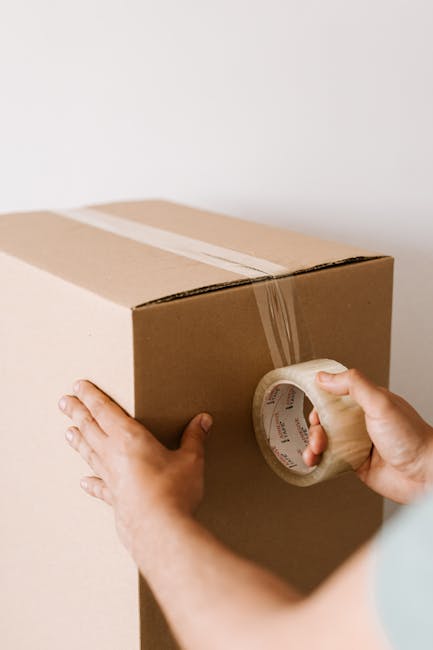
Fill voids so items do not shift. Tape boxes properly. Use padding for edges and corners. Fragile items should not be able to rattle around, and nothing should be so overpacked that the box bows or bursts when lifted. If you hear a box creak when you pick it up, that's your warning sign.
4. Use the right number of people for the item
Trying to carry a wardrobe alone because it "looks manageable" is a classic mistake. Pros know when to team lift. Two people with clear communication are safer than one person pretending to be a hero. There's no medal for that, by the way.
5. Lift properly and don't rush the first lift
Keep your feet steady, bend the knees, hold the load close, and avoid twisting under weight. If you need to turn, move your feet rather than rotating your spine. That simple habit protects the back far more than most people realise.
6. Load the vehicle with weight in mind
Heavier items go low and secure. Lighter, more fragile items go where they will not be crushed. Loose items should be strapped or blocked so they do not slide during transit. This is one area where a well-arranged vehicle really matters, and it is why many people choose the right-sized van or truck rather than trying to squeeze everything into something too small.
7. Keep walkways and exits clear
Once moving begins, clutter spreads fast. Empty boxes, tape, packaging, tools, and old bags have a habit of drifting into walkways. Pros keep a clear zone so nobody trips while carrying a mirror or a fridge. It sounds basic, but basic is good.
8. Pause when fatigue starts to show
When people get tired, they start cutting corners: one hand instead of two, faster steps, less communication, more load than they should take. A short break can prevent a slip or strain. If the job is large, pacing is not laziness. It is risk management.
Expert Tips for Better Results
Here are the sorts of small habits experienced movers rely on, and yes, they make a noticeable difference.
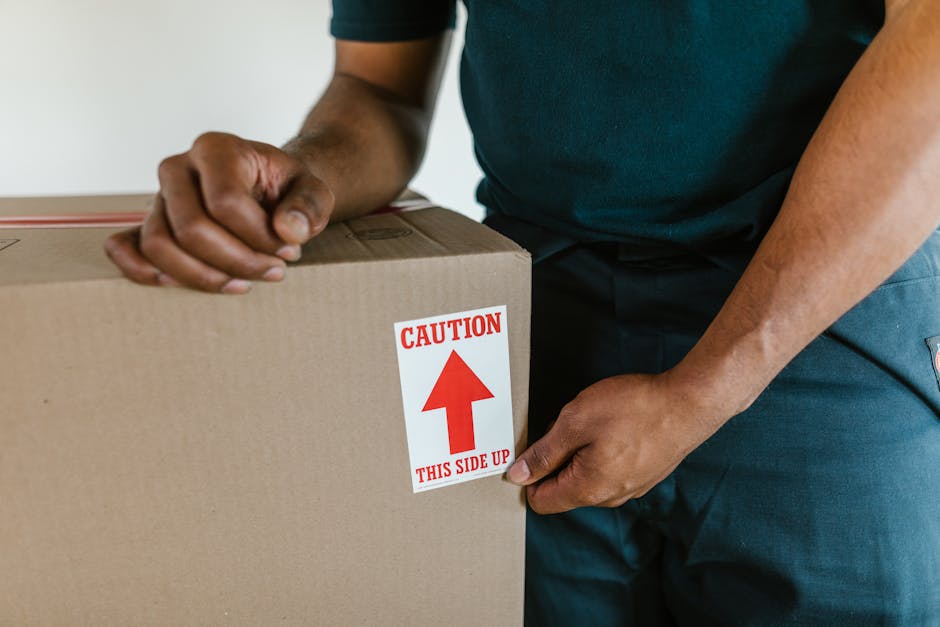
- Label with purpose: Mark boxes by room, fragility, and "needs two people" if needed.
- Protect stairs and thresholds: Blankets or runners reduce damage and improve grip underfoot.
- Use gloves with a good grip: Especially for smooth furniture, metal frames, or damp weather.
- Disassemble what should be disassembled: Bed frames, legs, shelves, and handles often move more safely in parts.
- Keep a simple command system: Words like "stop," "left," "down," and "clear" are more helpful than a long conversation mid-carry.
- Check the weather: Rain changes everything. Wet shoes, slippery steps, and cardboard that softens too quickly - all of it matters.
One of the best professional habits is unglamorous but effective: they stop to think before lifting. Just for a second. That tiny pause prevents plenty of bad decisions.
If the move involves possessions you no longer need, arranging a separate collection or disposal plan can also reduce clutter and hazard. A service like furniture pick-up can be useful when old items are blocking the route or making the space harder to work in.
Common Mistakes to Avoid
This is the section where most moving-day pain points live. Some are obvious, some are sneaky.
| Mistake | Why it is risky | How pros prevent it |
|---|---|---|
| Overfilled boxes | They split, become unstable, and are hard to carry safely | Use smaller boxes for dense items and keep weight consistent |
| Lifting with a twist | Creates unnecessary strain on the back and hips | Turn with the feet, not the spine |
| Trying to carry awkward furniture alone | Increases the risk of dropping, slipping, or colliding with walls | Team lift or use equipment designed for the load |
| Ignoring the route | Trips, bumps, and scrapes happen in tight spots | Clear the path and plan the exit before moving |
| Poor packing for transit | Items shift, break, or crush one another in the vehicle | Load by weight, brace gaps, and secure loose items |
| Rushing because the day is long | Fatigue leads to careless handling and reduced awareness | Use short breaks and keep a steady pace |
One less obvious mistake is failing to communicate. People assume the other person knows they are turning left or backing into a doorway, and then - thunk - there goes the skirting board. It happens more often than anyone likes to admit.
Another common issue is using the wrong vehicle. If the load is too cramped, items shift and people start improvising. A better fit, such as a properly sized van or truck, usually creates a safer and calmer move overall. That is why choosing the right transport matters just as much as the lifting itself.
Tools, Resources and Recommendations
You do not need a warehouse full of gear to move safely, but a few well-chosen tools make a big difference.
- Furniture blankets: Protect surfaces from scratches and give delicate items a buffer.
- Removal straps: Help distribute weight more evenly and improve control.
- Dollies and trolleys: Useful for boxes, appliances, and heavier items on flat surfaces.
- Strong packing tape: A small thing, but absolutely essential.
- Quality gloves: Improve grip and protect hands from pinch points.
- Marker pens and labels: Fast, simple, and surprisingly important.
On the service side, some moves need more than a few tools and a friend with decent stamina. If you are moving a full house, a larger inventory, or bulky items, it may be safer to use structured moving support such as house removalists or vehicle-led options like moving truck and removal truck hire.
For bigger corporate moves, safety often depends on planning the sequence, not just the transport. That is where commercial moves and office relocation services are especially relevant, because desks, electronics, files, and access routes need handling with care.
Law, Compliance, Standards, or Best Practice
This topic is mainly about best practice rather than one single rulebook, but a few UK expectations are worth keeping in mind. Anyone carrying out removals professionally should work in a way that protects people from injury and property from avoidable damage. Good moving businesses usually have clear health and safety procedures, insurance arrangements, secure payment processes, and sensible handling practices for people and goods.
If you are hiring a mover, it is fair to ask how they manage risk, what happens if an item needs special handling, and whether their process includes protection for floors, doorways, and furniture. A reputable company should be able to explain its approach plainly, without sounding vague or defensive. That clarity matters.
It can also help to review related company information before booking. Pages such as health and safety policy and insurance and safety are the kind of place where you can understand how a provider thinks about risk, responsibility, and customer protection. For practical details around costs and booking expectations, pricing and quotes and payment and security are also useful to review.
There is also a sustainability angle worth noting. Safe moving and responsible disposal often go hand in hand, especially when furniture is being removed, reused, or recycled rather than simply dumped. If that matters to you - and it should, frankly - have a look at recycling and sustainability.
Options, Methods, or Comparison Table
Choosing the right moving method depends on how much you have, how awkward the access is, and how much support you need. Here's a simple comparison.
| Option | Best for | Safety strengths | Limitations |
|---|---|---|---|
| DIY move | Very small moves with light items | Low cost if everything goes smoothly | Higher risk if you lack equipment, time, or lifting help |
| Man and van | Smaller home moves, single-room relocations, bulky item transport | More control than DIY, usually quicker loading | May be limited for larger inventories |
| Full removal team | Whole-house or complex moves | Better lifting support, route planning, and load management | Higher cost than self-move options |
| Truck-based service | Large loads, commercial stock, or multiple bulky items | More suitable loading space and better stability | Needs enough access and coordination to work well |
There is no single "best" choice for everyone. The safest option is the one that matches the job properly. If you under-spec the vehicle or the support, you end up making the day harder than it needs to be. Sometimes a slightly bigger setup is the safer and cheaper choice once you factor in stress and risk.
Case Study or Real-World Example
Here's a straightforward example from a typical move. A family shifting from a first-floor flat tried to move a large wardrobe and a glass coffee table themselves. The wardrobe looked manageable until they reached the stair landing, where the turn was tighter than expected. The table, meanwhile, was packed loosely, so every step made it slide in the back seat of the car before the van even arrived.
Nothing dramatic happened, but a few near-misses changed their approach. They paused, measured the route, wrapped the table properly, and asked for help with the wardrobe rather than forcing it through in one piece. The move took a little longer after that, but it became calmer and safer almost immediately. No scraped wall. No strained shoulder. No panicked rushing.
That is the pattern professionals recognise all the time. Once the move is treated as a sequence of controlled tasks rather than a competition against the clock, safety improves fast. The day still feels busy, because moving always does, but it stops feeling chaotic.
And yes, the kettle and the first cup of tea at the new place tend to taste better when nothing was broken on the way in.
Practical Checklist
Use this checklist before and during moving day.
- Clear all hallways, stairs, and entrances.
- Check for wet floors, loose rugs, and trip hazards.
- Pack heavy items into smaller, stronger boxes.
- Label fragile boxes clearly.
- Disassemble awkward furniture where appropriate.
- Use gloves and grippy footwear.
- Team-lift anything bulky, heavy, or unbalanced.
- Protect door frames, floors, and stair edges.
- Keep children and pets away from active loading areas.
- Load the vehicle with heavy items secure and low.
- Take breaks before fatigue leads to rushed handling.
- Confirm the unloading plan at the destination before arrival.
If you want the move to feel easier from the start, it helps to plan the service level that matches the job rather than guessing. For smaller or lighter relocations, man with van can be a practical middle ground; for larger or more complex moves, a more structured solution may be safer.
Conclusion
The common safety mistakes during moves and how pros prevent them come down to one simple idea: good moving is controlled moving. The best teams are not just strong or quick. They are methodical. They plan the route, pack properly, lift with care, and use the right equipment at the right time.
For you, that means the safest move is usually the one that starts before the first box is touched. A few minutes of planning can save hours of hassle. A little structure can prevent a lot of strain. And when the day gets busy - because it will - those habits are what keep things steady.
Get a free quote today and see how much you can save.
Moving will probably never be your favourite task. But it can be calmer, safer, and far less messy than people expect. And that is a very good place to start.
Frequently Asked Questions
What are the most common safety mistakes people make during a move?
The biggest ones are overpacking boxes, lifting with a twisted back, rushing through narrow spaces, leaving walkways cluttered, and trying to carry items that really need two people. Those are the mistakes that show up again and again.
How do professional movers prevent injuries on moving day?
They plan the route, use suitable equipment, team-lift heavy items, pace the work, and keep communication clear. They also avoid improvising when an item is too awkward or the access is too tight.
Is it safer to hire a man and van or do the move myself?
For very small moves, DIY can work. But if you have bulky furniture, stairs, limited parking, or a long carrying distance, a man and van option is usually safer and less stressful.
What type of packing reduces the risk of damage and injury?
Use smaller boxes for heavy items, tape them securely, fill empty spaces so things don't shift, and keep fragile items cushioned. Safe packing helps people lift better and keeps the load stable in the vehicle.
Why is lifting technique such a big deal?
Because many moving injuries happen when people twist, overreach, or try to lift too much at once. A proper lifting position reduces strain on the back, shoulders, and knees.
Do I need special equipment for a house move?
Not always, but furniture blankets, trolleys, gloves, straps, and strong tape make a noticeable difference. Larger or more awkward moves often need more than basic boxes and goodwill.
How do pros deal with stairs and narrow hallways?
They measure or visually assess the space first, move slowly, communicate every turn, and protect the corners and edges. Sometimes they also disassemble furniture so it fits more safely.
What should I do with furniture I do not want to keep?
Separate it early so it doesn't block the route or add unnecessary clutter. A dedicated furniture pick-up arrangement can make the move safer and simpler.
Are office moves riskier than home moves?
They can be, mainly because of equipment, cables, furniture, files, and the need to keep work disruption low. Good planning and the right service setup are especially important for offices.
How can I tell if a moving company takes safety seriously?
Look for clear information about health and safety, insurance, handling practices, and payment security. A professional business should explain its process plainly and confidently, not dodge the question.
What is the best way to avoid damage to floors and walls?
Clear routes, use protective coverings where needed, carry items with enough people, and never rush around corners. Most scuffs happen during a hurried turn or a poorly judged squeeze.
When should I choose a larger truck instead of trying to make do?
When the load is bigger than a few rooms, the furniture is bulky, or you want fewer trips and more stable loading. A properly sized vehicle often makes the move safer as well as easier.
If you are comparing services, it can help to look at the provider's approach to health and safety, insurance and safety, and pricing and quotes before you book. That way you know what to expect, and you are not guessing on a day that already has enough moving parts. Small bit of planning, big difference.